

Is Investing in Concrete Wall Panel Production Profitable in South America?
As construction demand continues to grow across South America, more local investors and building material companies are starting to look beyond traditional masonry. Instead of only buying finished wall panels, some are asking a more strategic question: Is it worth investing in concrete wall panel production locally?
From Brazil and Peru to Chile and Colombia, concrete wall panels are becoming an important part of modern construction. But setting up production is not just a technical decision — it is also a business decision. Let’s look at the market from a more commercial and operational angle.
Why Local Production of Concrete Wall Panels Makes Sense
For many South American markets, importing finished wall panels can be expensive and slow. Transportation costs, customs procedures, and logistics risks all add uncertainty to project timelines.
By producing concrete wall panels locally, manufacturers can:
-
Reduce logistics and transportation costs
-
Shorten delivery time to construction sites
-
Respond faster to project demand changes
-
Customize panel sizes and specifications
Over time, local production improves supply chain stability and competitiveness. This is often the difference between winning and losing large construction contracts.
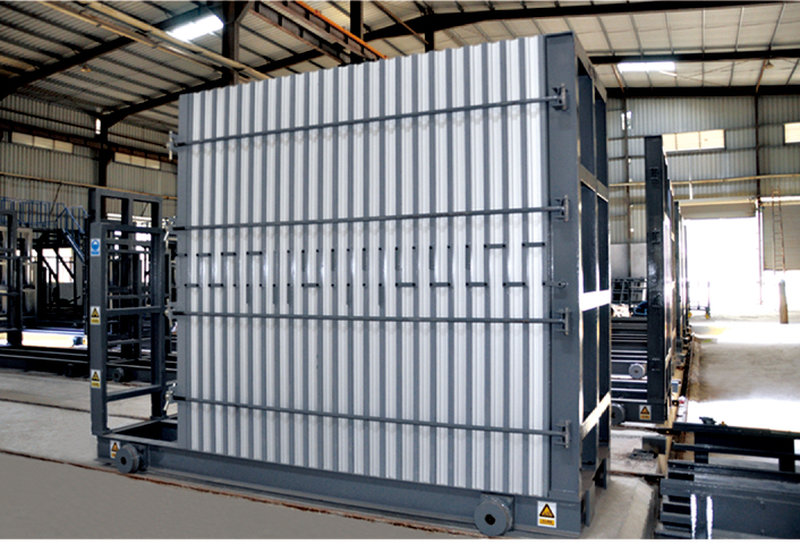
Demand Drivers: Where the Orders Come From
Concrete wall panels in South America are mainly driven by:
-
Government housing programs
-
Commercial real estate projects
-
Industrial parks and logistics centers
-
Infrastructure-related buildings
These projects often require large volumes of standardized wall components delivered within strict timelines. Traditional on-site casting methods struggle to keep up, which creates opportunities for precast wall panel manufacturers.
So yeah, the demand is real, not just a short-term trend.
What Is Needed to Set Up a Wall Panel Production Line?
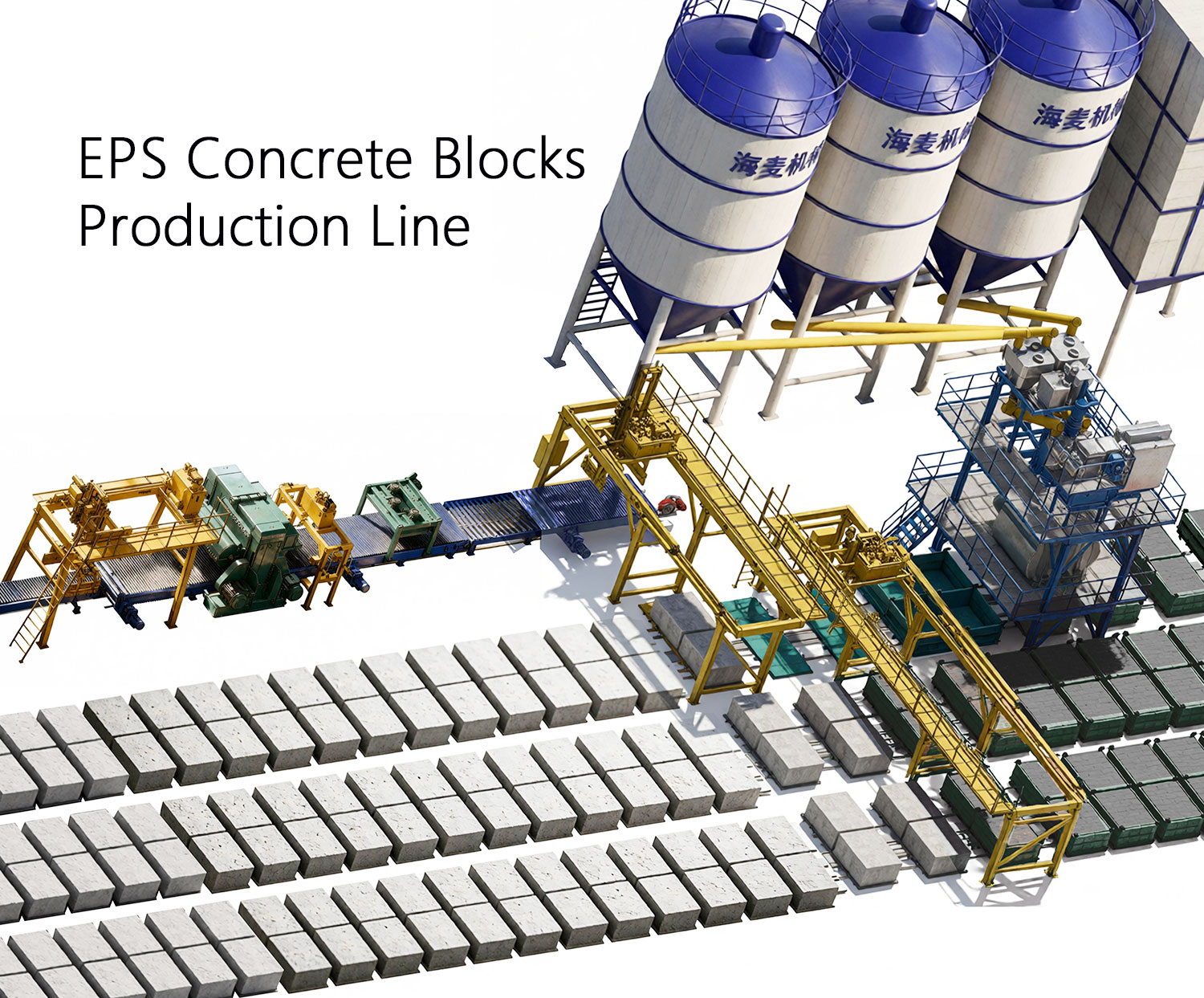
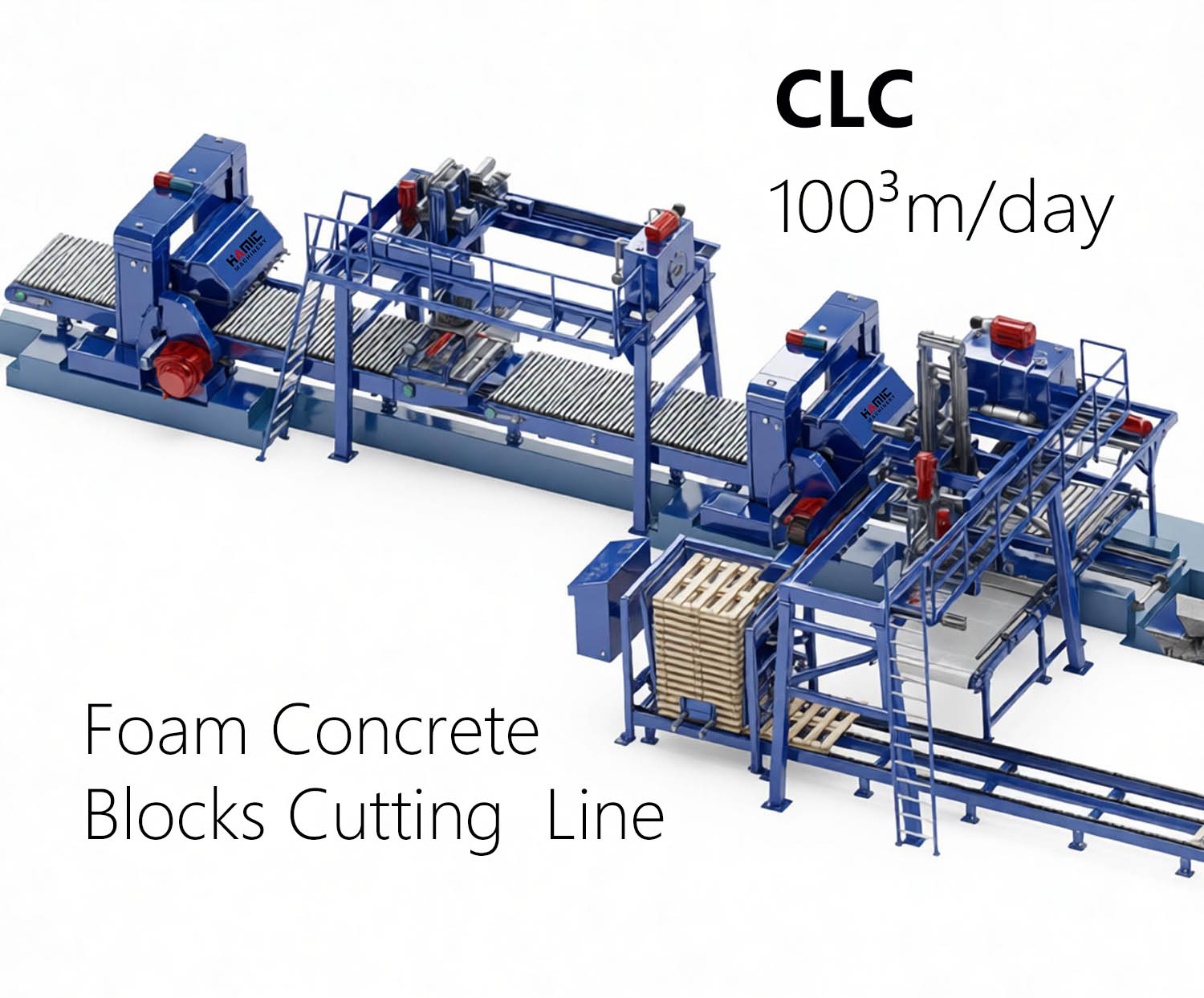
Setting up a concrete wall panel production line requires more than just molds. A complete system typically includes:
-
Raw material batching and mixing system
-
Wall panel molds and formwork
-
Vibration and compaction equipment
-
Curing system
-
Demoulding and stacking solutions
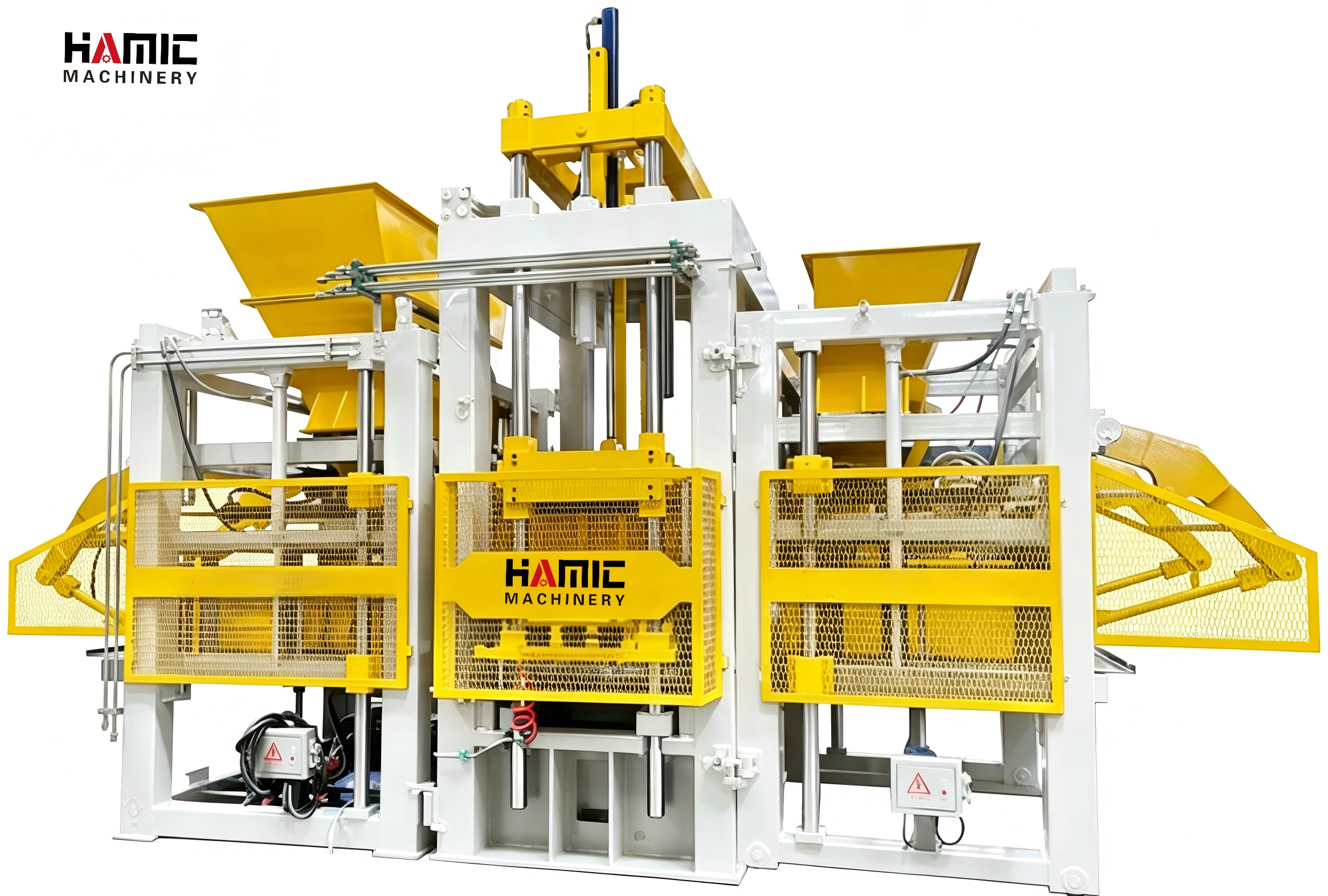
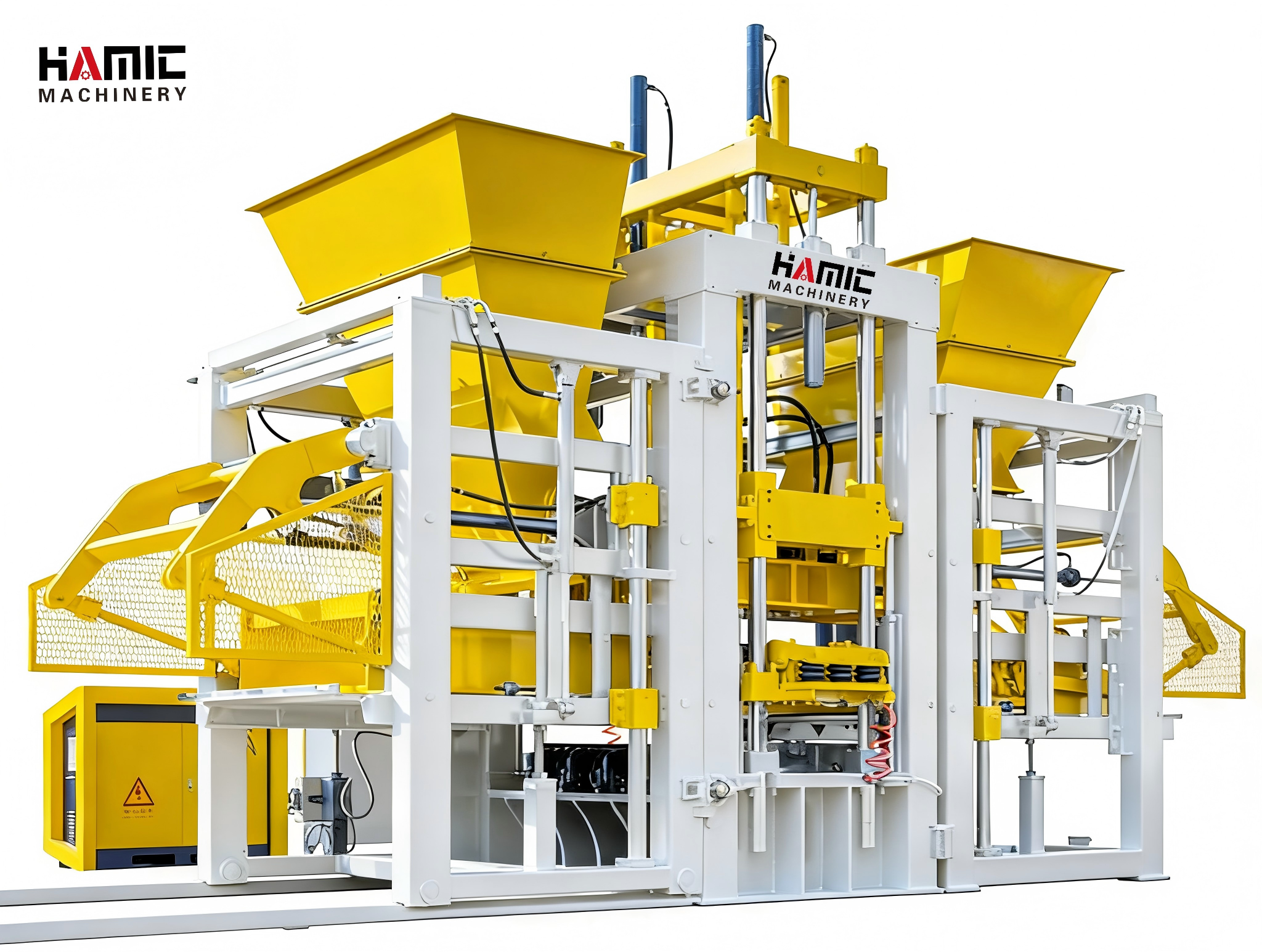
This is where experienced equipment suppliers matter. Hamic, as a professional China manufacturer, provides integrated concrete wall panel production line solutions designed for overseas markets, including South America.
Instead of piecing together equipment from different suppliers, many customers prefer a one-stop solution that is easier to manage and maintain.
Cost Structure and Return Considerations
When evaluating investment in concrete wall panel production, South American customers usually focus on:
-
Initial equipment investment
-
Local labor cost
-
Electricity and raw material costs
-
Expected daily output
-
Local selling price of wall panels
Although the initial investment may seem high, the long-term return can be attractive if production runs are stable. Many investors find that local production offers better margin control compared to relying on external suppliers.
It’s not magic, but the numbers can work if the project planning is realistic.
Challenges to Consider
Of course, setting up a wall panel production line also comes with challenges:
-
Operator training
-
Quality control during early production stages
-
Market education (convincing contractors to adopt panels)
-
Maintenance planning
This is why technical support and after-sales service from the equipment supplier play a big role in project success.
Why Many South American Customers Choose China Suppliers
China has strong experience in precast concrete equipment manufacturing, and many South American customers work with China manufacturers and suppliers to source wall panel production lines.
Hamic focuses on:
-
Export-oriented equipment design
-
Adaptation to overseas power standards
-
Remote technical support
-
Long-term spare parts supply
These factors help reduce the risks of setting up production in new markets.
Conclusion
From an investment perspective, concrete wall panel production in South America offers real potential. With growing construction demand, local manufacturing can reduce costs, improve delivery speed, and strengthen market competitiveness.
For companies looking to move from traditional construction methods to industrialized building solutions, concrete wall panels are a strategic step forward.