

Why Are Concrete Wall Panels Gaining Popularity in the South American Construction Market?
In recent years, concrete wall panels have become an increasingly important building material across South America. From residential housing to commercial and industrial projects, more developers are turning to precast concrete wall panels to improve construction efficiency and control project costs.
So why is this trend accelerating, and what makes concrete wall panels especially suitable for South American markets? Let’s take a closer look.
Growing Construction Demand in South America
South America continues to invest heavily in infrastructure, housing, and urban development. Countries such as Brazil, Chile, Peru, and Colombia are experiencing steady demand for faster and more standardized construction methods.
Traditional on-site construction often struggles with:
-
Long construction cycles
-
Labor shortages
-
Inconsistent quality
-
Weather-related delays
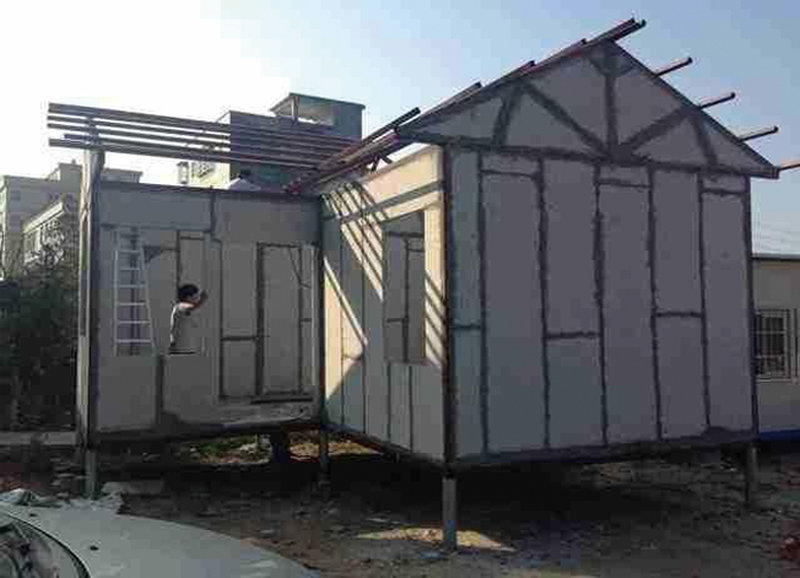
Concrete wall panels offer a practical alternative by allowing building components to be produced in controlled factory environments and installed quickly on site.
Key Advantages of Concrete Wall Panels
1. Faster Construction Speed
One of the biggest reasons for adopting concrete wall panels is speed. Panels are manufactured off-site and delivered ready for installation, significantly reducing on-site work time.
For large-scale housing or commercial projects, this can shorten construction schedules by weeks or even months. That’s a big deal when project deadlines are tight.
2. Consistent Quality and Structural Reliability
Factory production ensures uniform thickness, strength, and surface finish. Compared with traditional masonry, concrete wall panels provide more consistent performance, which helps meet local building codes and safety standards.
In regions with seismic or climatic considerations, this reliability is especially important.
3. Labor Efficiency and Cost Control
Labor costs are rising in many South American countries, and skilled workers are not always easy to find. Concrete wall panels reduce dependence on manual bricklaying, allowing smaller teams to complete larger projects.
From a contractor’s point of view, this improves cost predictability and reduces management complexity.
4. Design Flexibility
Concrete wall panels can be produced in various sizes, thicknesses, and surface finishes. This makes them suitable for:
-
Residential buildings
-
Commercial complexes
-
Industrial facilities
-
Public infrastructure projects
Architects appreciate the flexibility, and developers appreciate the efficiency.
Applications Across South America
Concrete wall panels are widely used in:
-
Social housing programs
-
Apartment buildings
-
Schools and hospitals
-
Warehouses and industrial plants
In fast-growing urban areas, precast wall panel systems help governments and private developers deliver projects more efficiently without compromising quality.
The Role of Modern Production Lines
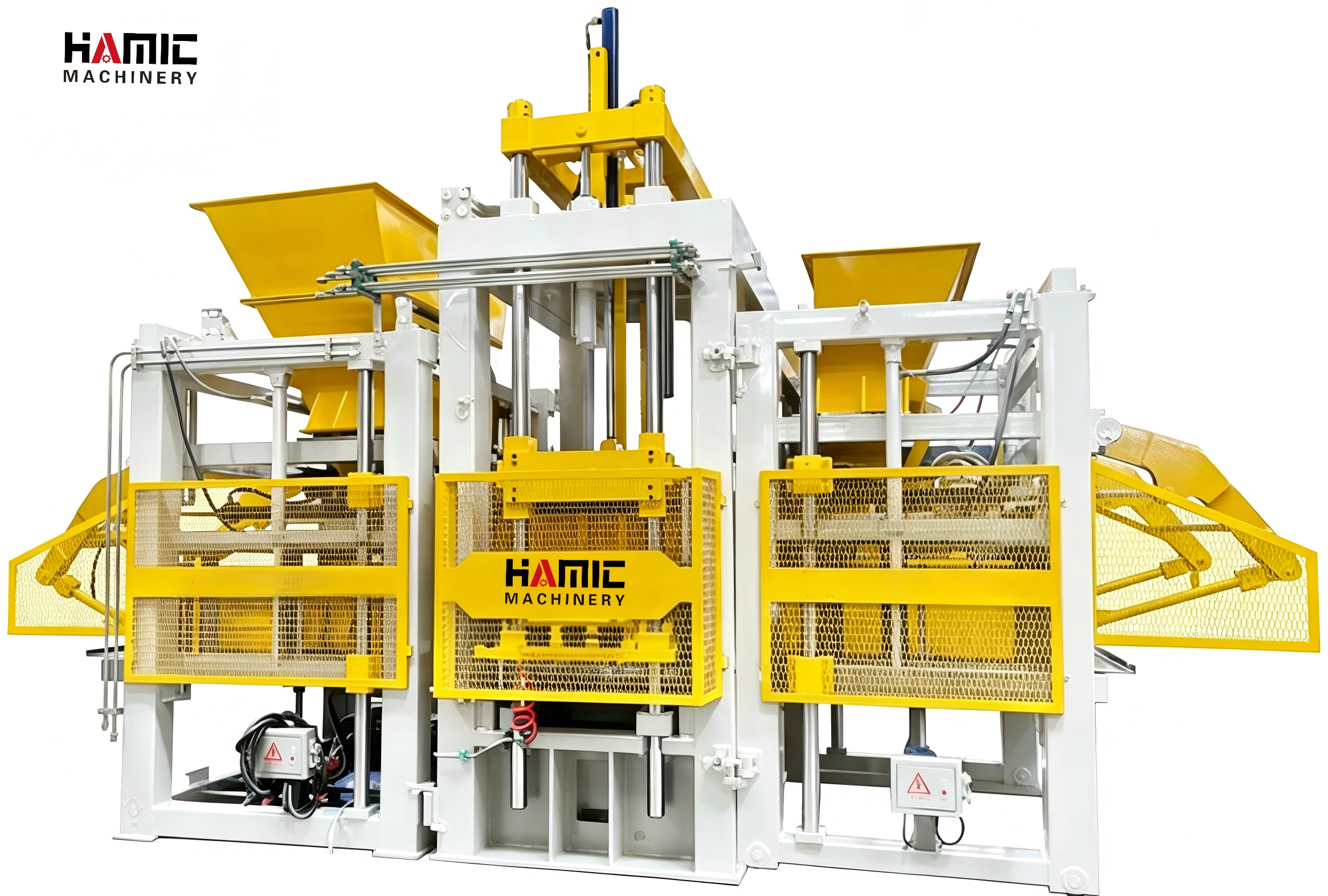
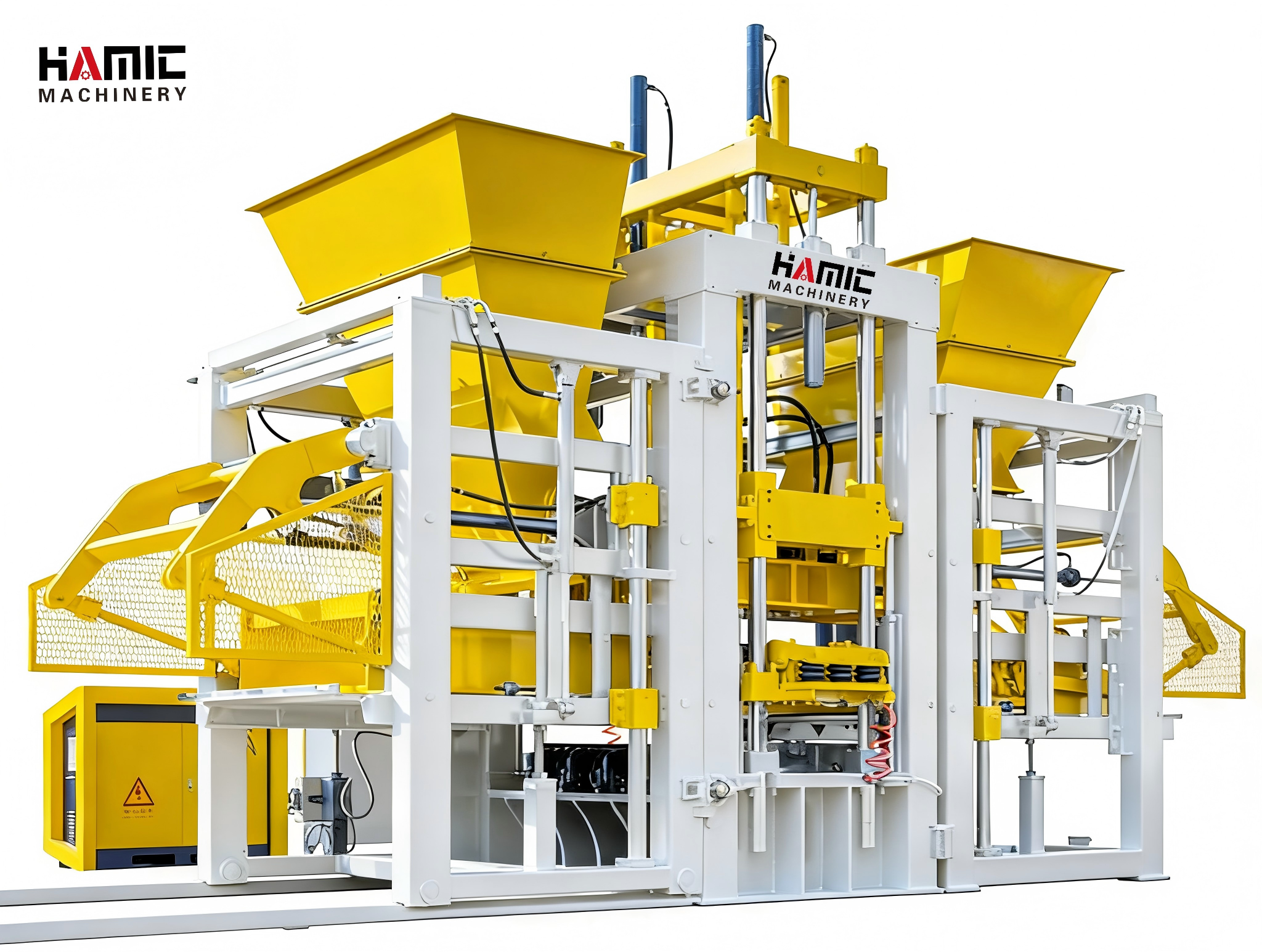
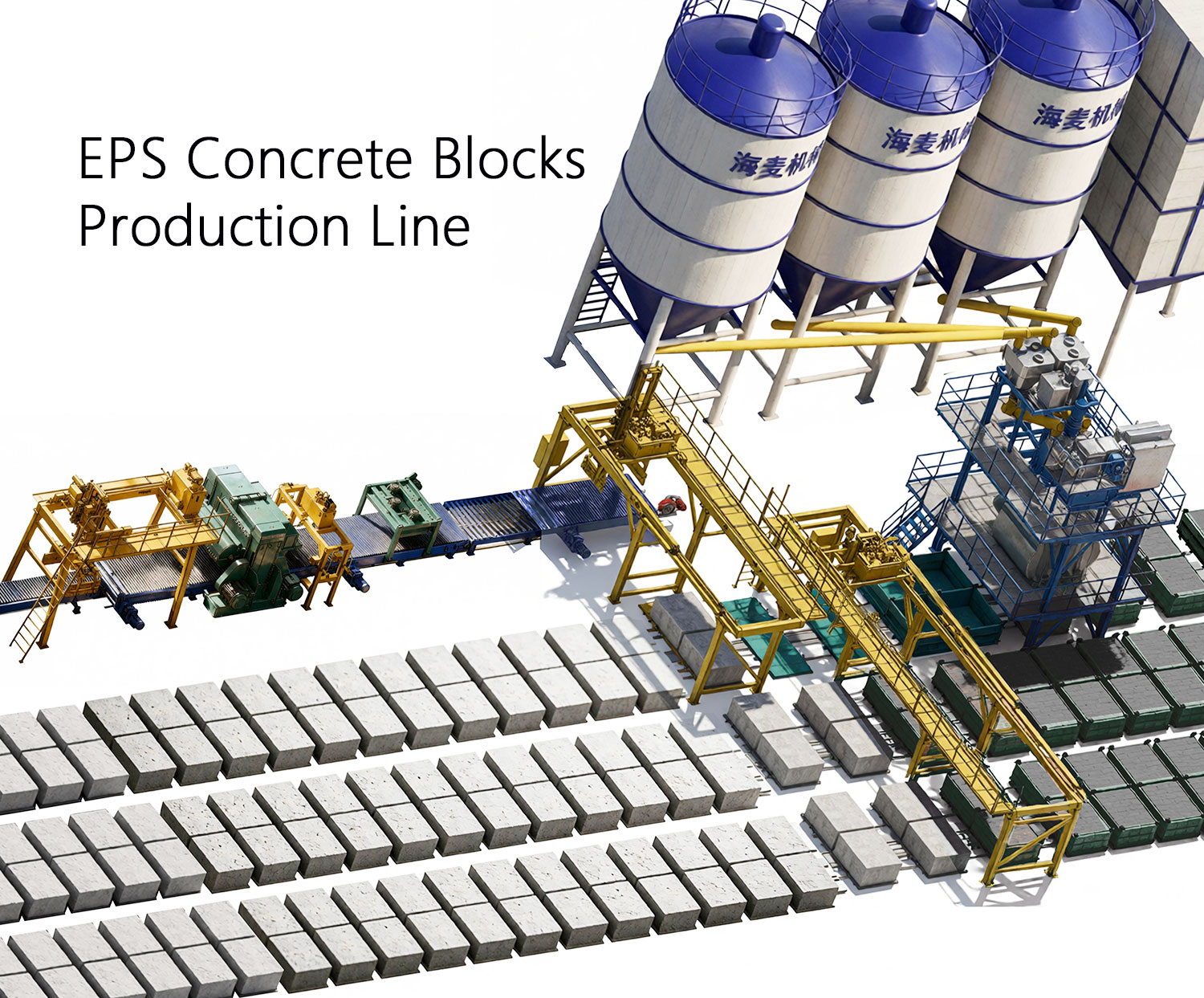
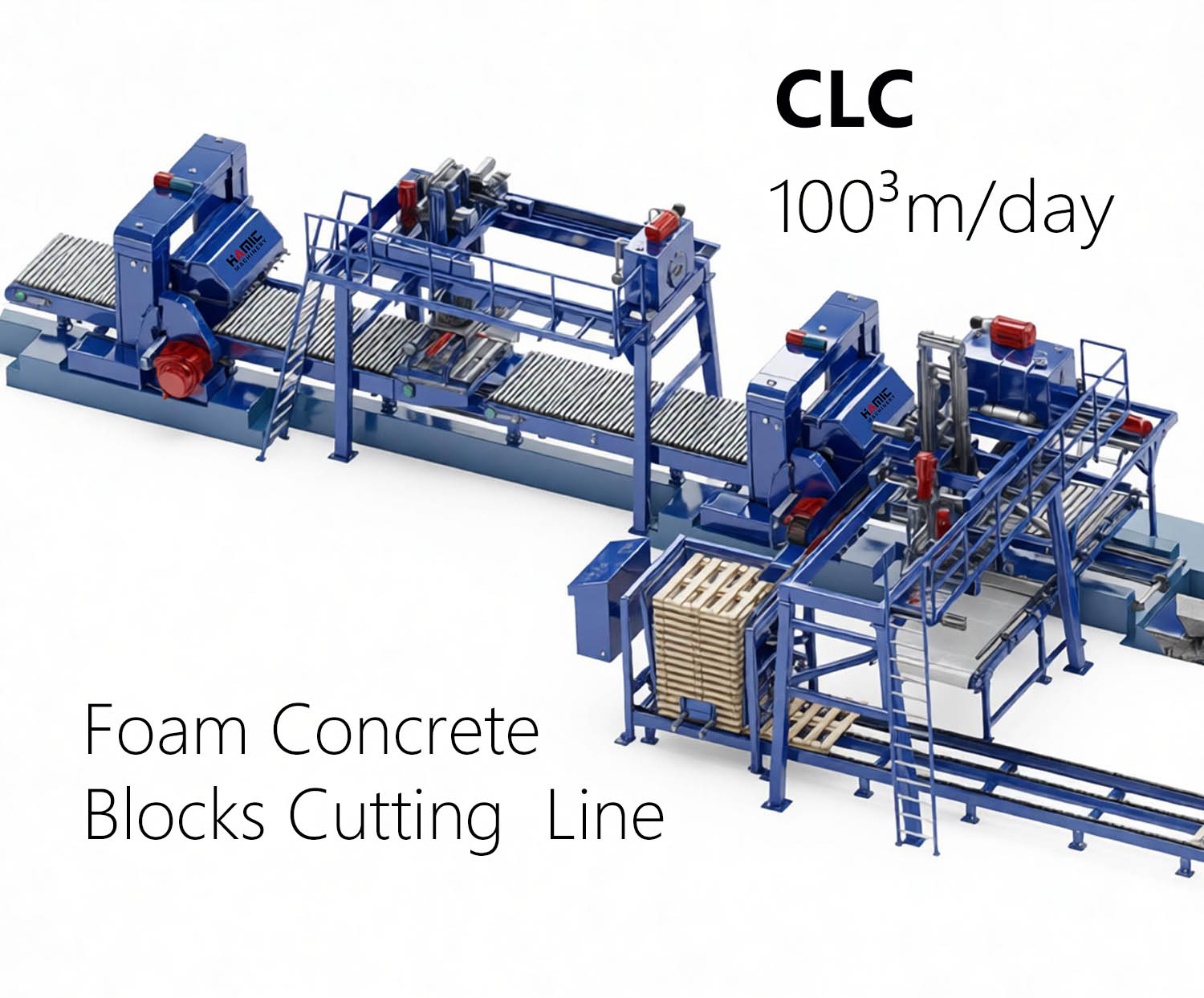
Behind every reliable concrete wall panel is a well-designed production system. Advanced concrete wall panel production lines, such as those developed by Hamic, ensure accurate mold positioning, controlled curing, and stable output.
Modern automation allows manufacturers to:
-
Improve panel consistency
-
Reduce material waste
-
Increase daily production capacity
As demand grows in South America, production efficiency becomes just as important as the product itself.
Why South American Manufacturers Look to China Suppliers
Many South American companies work with China-based manufacturers and suppliers to source wall panel production equipment. China’s experience in large-scale manufacturing and automation offers a strong combination of performance and cost efficiency.
Hamic, as a professional China manufacturer, provides integrated solutions for concrete wall panel production tailored to overseas markets.
Market Outlook
With continued urbanization and infrastructure development, the demand for concrete wall panels in South America is expected to remain strong. As construction standards rise, precast and modular building methods will likely become more common.
For manufacturers and developers alike, concrete wall panels represent a practical, scalable solution for modern construction challenges.
Conclusion
Concrete wall panels are gaining popularity in South America due to their speed, consistency, and cost advantages. Supported by modern production technology and reliable supply chains, they are helping reshape how buildings are constructed across the region.
As the market evolves, concrete wall panels will continue to play a key role in efficient and sustainable construction.