

What Are the Main Applications of Lightweight Bricks in Today's Construction Market?
As the global construction industry continues to evolve, lightweight bricks are becoming an increasingly popular building material across residential, commercial, and industrial projects. Compared with traditional solid bricks, lightweight bricks offer advantages in weight reduction, thermal insulation, and construction efficiency. But where exactly are lightweight bricks being used in the market today, and why are so many developers choosing them?
This article explores the real-world applications of lightweight bricks and explains why demand for this material keeps growing worldwide.
Why Lightweight Bricks Are Gaining Market Attention
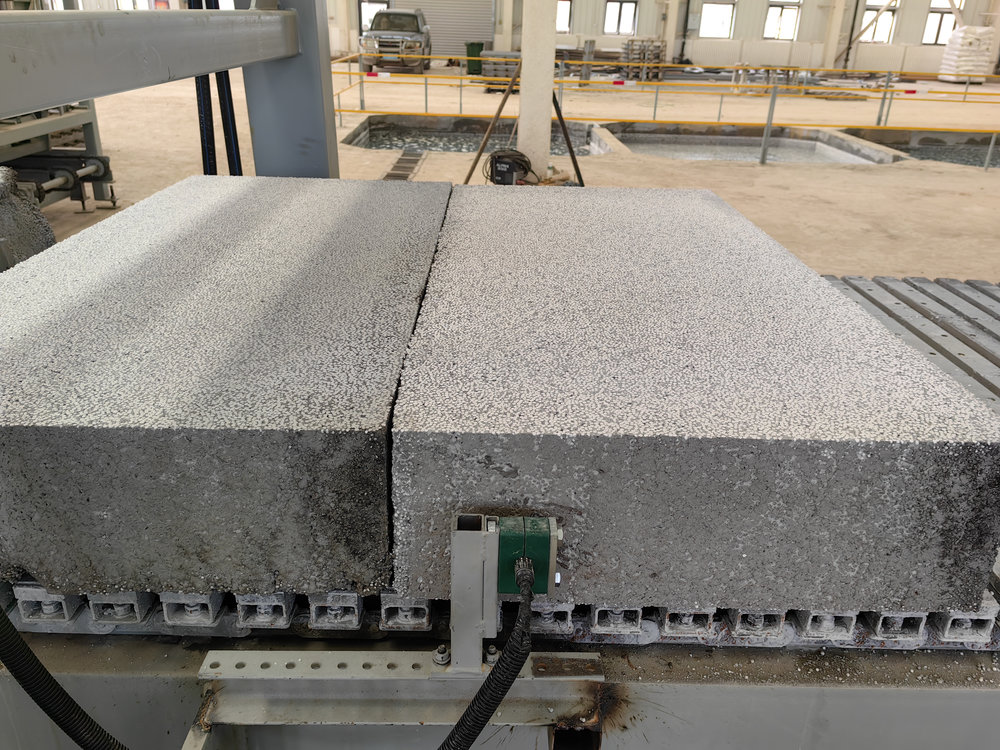
Lightweight bricks are designed to reduce structural load while maintaining sufficient strength for modern construction needs. Their composition often includes cement, fly ash, sand, and foaming agents or lightweight aggregates, resulting in a material that is easier to handle and faster to install.
From a market perspective, the key drivers behind their adoption include:
-
Rising construction costs
-
Stricter energy-efficiency regulations
-
Demand for faster project completion
-
Growing focus on sustainable building materials
As a result, lightweight bricks are no longer a niche product; they are becoming a mainstream choice.
Residential Construction Applications
One of the most common applications of lightweight bricks is in residential housing projects. Low-rise and mid-rise buildings benefit greatly from reduced wall weight, which lowers foundation requirements and overall structural stress.
Lightweight bricks also offer good thermal insulation, helping homes stay cooler in hot climates and warmer in colder regions. For developers, this can translate into better energy performance ratings and higher property value. And honestly, homeowners notice the comfort difference too.
Commercial and Public Buildings
In commercial buildings such as offices, shopping centers, schools, and hospitals, lightweight bricks are widely used for partition walls and non-load-bearing structures. These applications require materials that are easy to install, adaptable in design, and cost-effective.
Because lightweight bricks are easier to cut and modify, they allow more flexibility in interior layouts. This makes them especially suitable for projects where space usage may change over time.
Industrial and Infrastructure Projects
Lightweight bricks are also finding applications in industrial buildings, warehouses, and auxiliary infrastructure facilities. In these projects, speed of construction is often a priority.
By using lightweight bricks, contractors can reduce construction time and labor intensity. In some cases, it even allows projects to move forward with smaller lifting equipment, which is a practical advantage on busy job sites.
Renovation and Expansion Projects
Another important market application is building renovation and expansion. When adding new floors or extending existing structures, weight limitations are often a major concern.
Lightweight bricks provide a reliable solution by minimizing additional load while still meeting safety and durability requirements. This makes them a preferred material for upgrading older buildings without extensive structural reinforcement.
Sustainability and Green Building Trends
Sustainability plays a growing role in construction decisions. Lightweight bricks often incorporate industrial by-products such as fly ash, reducing material waste and environmental impact.
Many green building standards now recognize lightweight masonry as a sustainable solution due to:
-
Lower raw material consumption
-
Reduced transportation emissions
-
Improved energy efficiency in buildings
This trend is expected to continue as governments and developers place more emphasis on environmentally responsible construction.
The Role of Advanced Production Technology
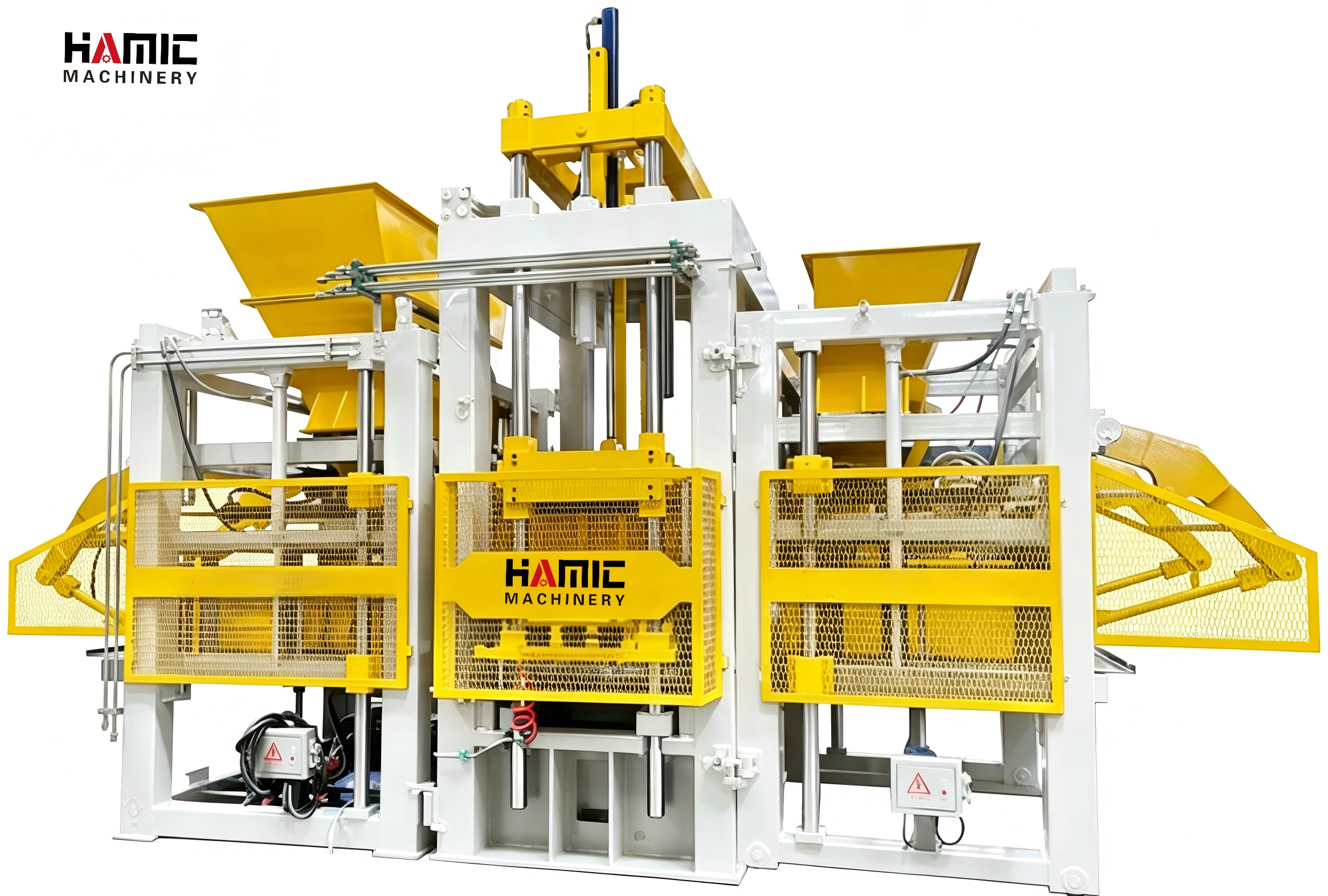
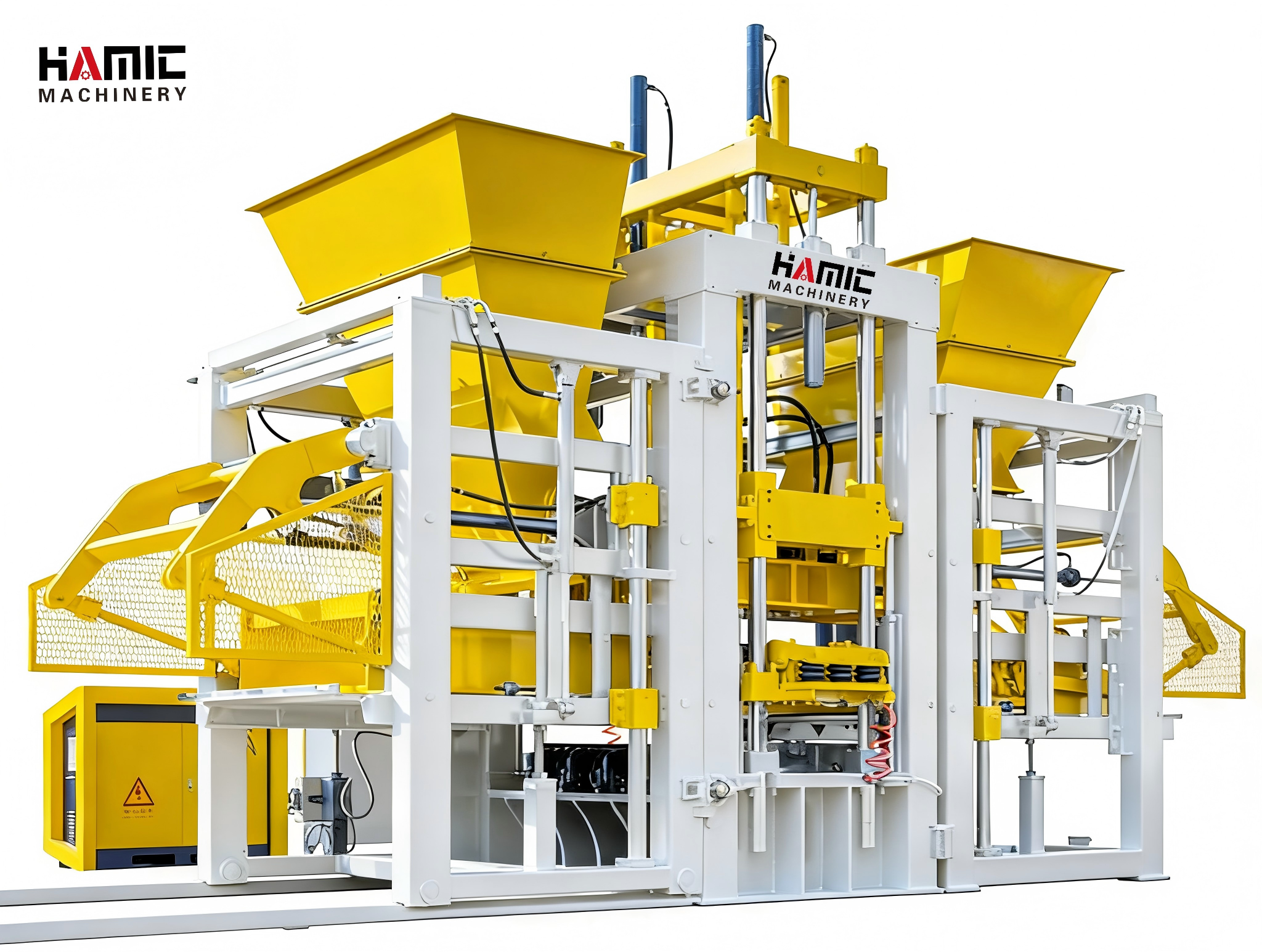
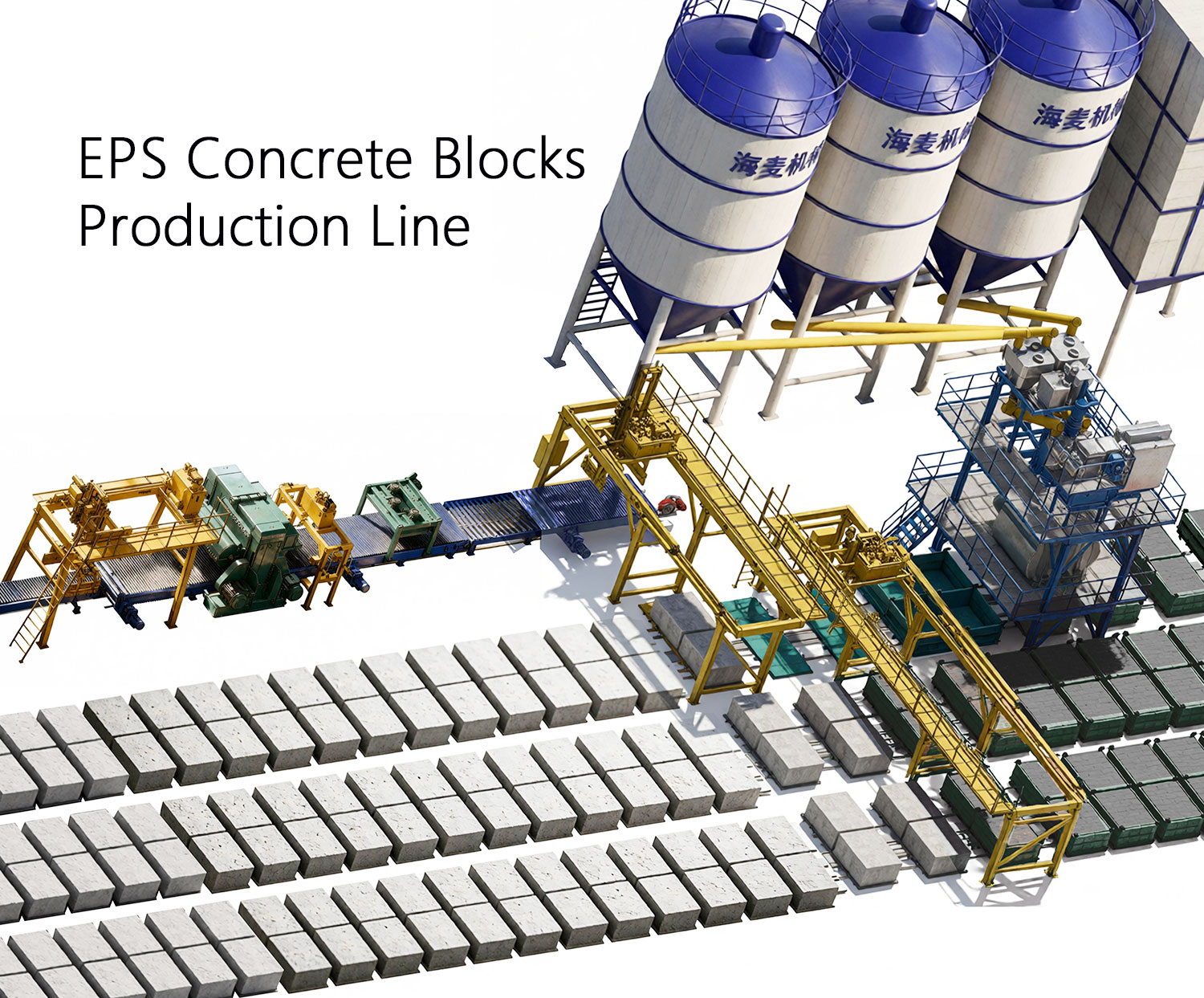
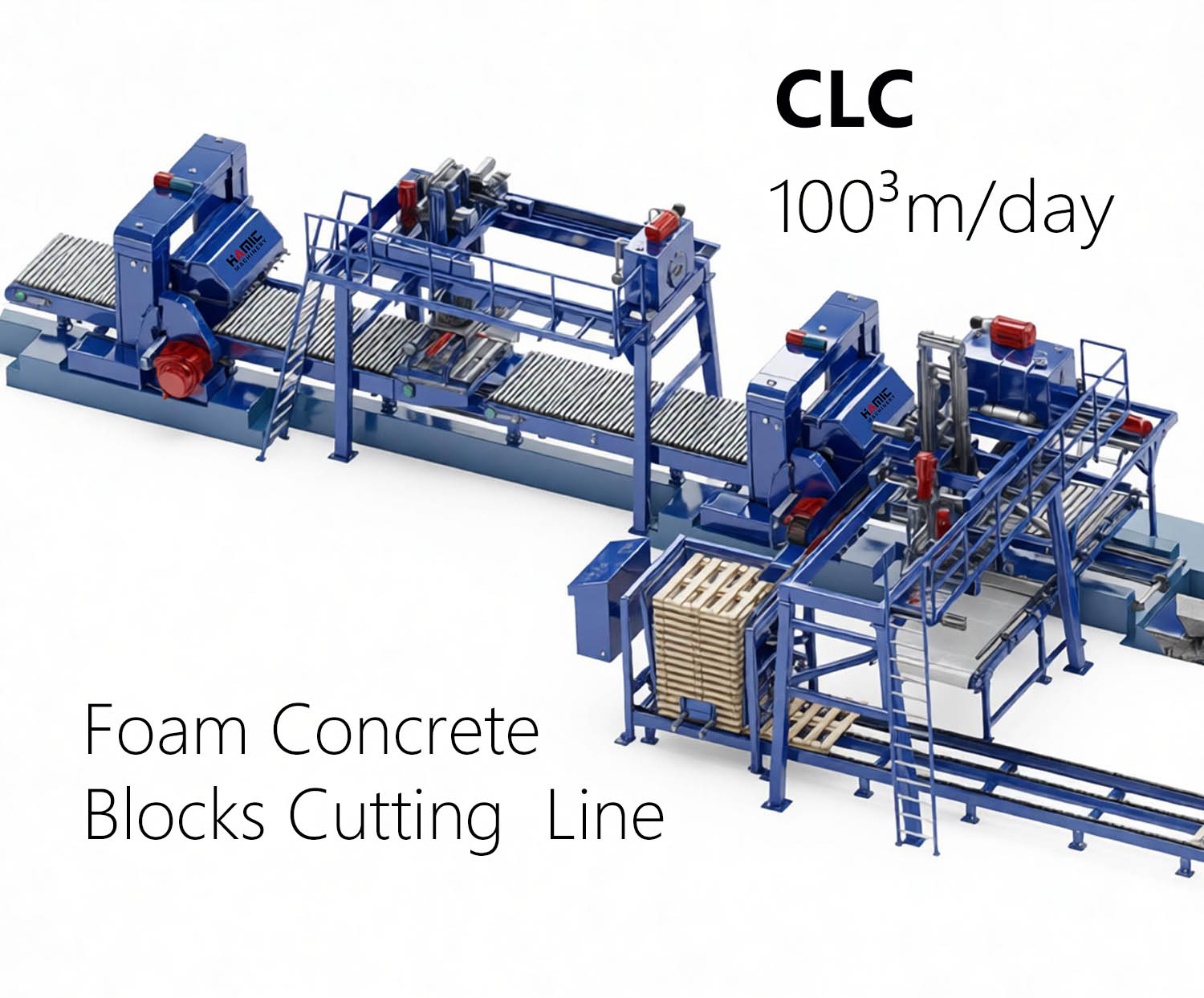
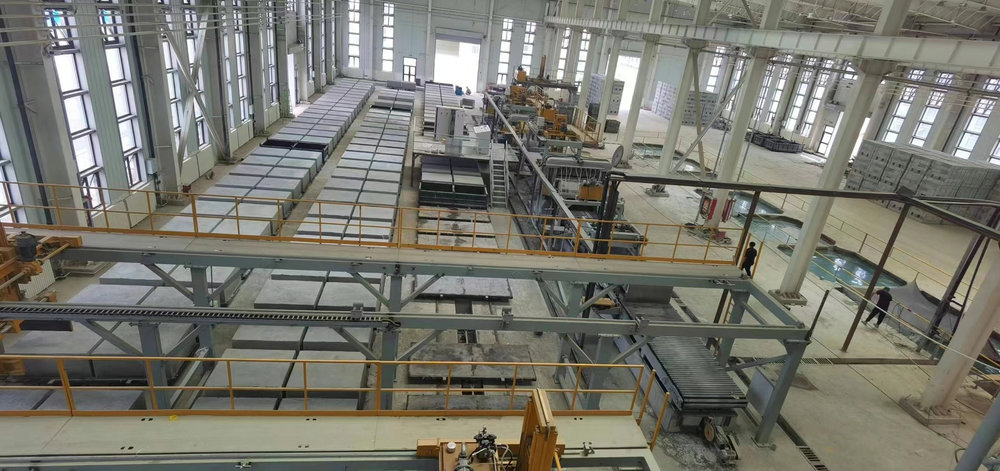
The widespread application of lightweight bricks would not be possible without reliable production equipment. Companies like Hamic focus on developing lightweight brick production lines that ensure stable quality, accurate density control, and consistent output.
From raw material mixing to molding and curing, modern production lines help manufacturers meet market demand while maintaining product standards. The technology behind the bricks is just as important as the bricks themselves.
 Market Outlook for Lightweight Bricks
Looking ahead, the market application of lightweight bricks is expected to expand further, especially in regions with rapid urbanization and housing demand. As construction methods become more industrialized, lightweight masonry materials will continue to replace traditional solutions in many scenarios.
Some markets already see lightweight bricks not as an alternative, but as the default choice, which shows how far this material has come.
Conclusion
The application of lightweight bricks in the market spans residential housing, commercial buildings, industrial facilities, renovation projects, and green construction initiatives. Their advantages in weight reduction, insulation, efficiency, and sustainability make them a practical choice for modern construction.
As production technology advances and market awareness grows, lightweight bricks will play an even more important role in shaping future building practices.